
How the Marketing Concept is Changing Business Strategy in 2025
In today’s fast-paced, customer-driven economy, understanding the marketing concept is more than just good business—it’s essential for survival. At its core, the marketing concept is a strategic philosophy that prioritizes the needs, wants, and satisfaction of customers above all else. Instead of focusing solely on pushing products or maximizing short-term profits, businesses that adopt the marketing concept strive to deliver real value, foster long-term relationships, and solve customer problems better than the competition. As industries evolve and consumers become more empowered, embracing this customer-centric approach has become a cornerstone of successful marketing strategies worldwide.

📘 Chapter 1: What Is the Marketing Concept?
Marketing Concept Defined: Why Customer Value Is the New Currency
In today’s hyperconnected, consumer-driven economy, the marketing concept is more than just a theory taught in business school — it’s the strategic heart of sustainable success.
Gone are the days when companies could rely on flashy ads or pushy sales tactics alone. Modern consumers demand relevance, value, and authenticity — and the marketing concept delivers just that.
🤔 What Is the Marketing Concept, Exactly?
The marketing concept is a business philosophy that places the customer’s needs, wants, and satisfaction at the center of all strategic decisions. It’s not about making people want what you sell — it’s about selling what people already want, and doing it better than anyone else.
🔁 Instead of:
“How do we sell more of our product?”
You ask:
“How do we understand our customers so deeply that our product becomes the obvious solution?”
💥 It’s a shift from “selling” to solving.
💡 Why It Matters Now More Than Ever
-
Consumers are more informed and empowered.
-
Competition is fiercer than ever.
-
Loyalty is built on emotional connection and trust.
Brands that embrace the marketing concept are no longer just sellers — they’re problem-solvers, value-creators, and community-builders.
Want to build deeper meaning into how you earn and serve? Start here:
🔗 “Purpose & Wealth: Make Money Work for Your Life Goals”
📌 Key Elements of the Marketing Concept
-
Customer Orientation – Research, empathy, and user-driven product development.
-
Value Delivery – Focus on outcomes, not just features.
-
Integrated Marketing – Company-wide alignment around customer satisfaction.
-
Profit Through Loyalty – Long-term wins from trust and retention.
-
Feedback-Driven Adaptation – Stay responsive and agile.
📘 Need an example of value-centric thinking in personal finance? Read:
👉 “Abundance Mindset: 5 Shifts That Unlock Wealth”
🧠 Marketing Concept in Everyday Business
Consider Apple, Amazon, or your favorite local café. The reason they win? They anticipate your needs, exceed expectations, and make you feel seen — not sold to.
📽️ See this principle in action in this quick explainer:
🎥 Watch: Why People Buy Experiences, Not Products
💬 From Big Brands to Solopreneurs
You don’t need to run a Fortune 500 company to use the marketing concept. If you’re:
-
A content creator solving reader pain points
-
A freelancer customizing services to fit client needs
-
A coach listening more than pitching…
Then you’re already embodying it.
🔗 For practical solopreneur guidance, explore:
“Paid Online Writing Jobs — Scam or Legit?”
📊 The Marketing Concept vs. Other Business Models
| Model | Focus | Outcome |
|---|---|---|
| Production Concept | Efficiency & output | Cheap, scalable, not always desirable |
| Product Concept | Features & performance | May miss what customers truly need |
| Selling Concept | Push and persuade | Short-term gains, long-term fallout |
| Marketing Concept | Customer needs & satisfaction | Loyalty, referrals, and sustainable profit |
For deeper insight into outdated mindsets and modern upgrades, read:
👉 “Middle-Class Trap Series: How to Escape, Grow, and Thrive”
🧭 Your Next Step: Build with Intention
The marketing concept is more than a trend — it’s a compass for how to build businesses that are impactful, ethical, and profitable.
If you want to create lasting influence (and income), this is where your strategy must begin.
📘 Complement this mindset shift with:
🔗 “Wealth & Happiness: What Money Really Buys”
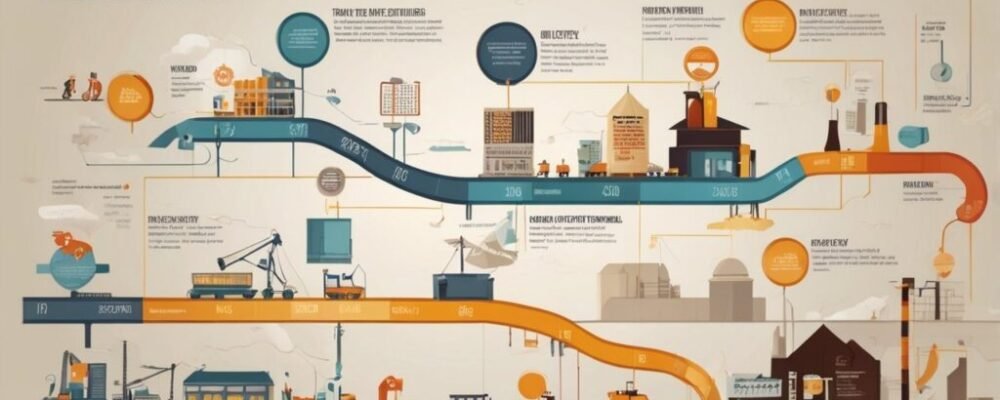
🔄 Chapter 2: The Evolution of Marketing
How the Marketing Concept Emerged — And Why It Changed Everything
To truly appreciate the power of the marketing concept, we need to go back in time. Marketing, as we know it today, is the result of decades of evolution — from mass production to mass personalization.
Each phase in marketing history reflected a different business mindset, and only the most adaptable philosophies have survived.
Let’s walk through the journey — and see why the marketing concept remains the most relevant today.
🏭 Phase 1: The Production Concept (Efficiency First)
At the dawn of the industrial age, supply was low, and demand was high. Businesses believed customers only wanted affordable, available products.
💬 Mindset: “If we make it efficiently and cheaply, they’ll buy it.”
Example: Henry Ford’s assembly line — legendary for making cars fast and cheap, but you could only get them in black.
📉 Downside: No customer choice. Innovation was limited to cost-cutting, not value-adding.
Want to see how this approach parallels outdated financial thinking? Read:
👉 “Middle-Class Trap Series: How to Escape, Grow, and Thrive”
💎 Phase 2: The Product Concept (Quality Obsession)
As technology advanced, the focus shifted to making the best product possible — with high performance and impressive features.
💬 Mindset: “If it’s built well, people will buy it.”
But this introduced a critical blind spot: companies assumed they knew what people wanted.
📉 Example: Tech companies that focused on features no one needed — instead of solutions customers actually valued.
Explore why aligning your offer with real human needs matters in:
🔗 “Purpose & Wealth”
📣 Phase 3: The Selling Concept (Push to Persuade)
Next came the age of hard selling — particularly in oversaturated or commoditized markets. Businesses leaned heavily on aggressive advertising and sales tactics to move inventory.
💬 Mindset: “People won’t buy unless we make them.”
This era birthed the “Always Be Closing” culture — high pressure, little empathy.
📽️ For a visual take, this short clip captures the outdated tactics:
🎥 Watch: Sales vs. Solving
📉 Problem: High returns, low trust, and burnt-out customers (and teams).
🎯 Phase 4: The Marketing Concept (Solve, Don’t Sell)
This is where everything changes.
Instead of pushing products, companies began to listen. The marketing concept emerged as a customer-first strategy, focused on solving problems, not just moving units.
💬 Mindset: “If we understand what customers really want and meet that need — profit will follow.”
This is the foundation of:
-
Brand loyalty
-
Personalized offers
-
Long-term customer relationships
📘 Want to build more than just profit? Explore:
👉 “Wealth & Happiness: What Money Really Buys”
🌍 Phase 5: Societal Marketing Concept (Beyond the Customer)
In the modern era, it’s not enough to serve customers — businesses are expected to consider the bigger picture: community, sustainability, ethics, and the planet.
💬 Mindset: “Does this serve the customer, and society?”
Brands like Patagonia, Ecosia, and even TOMS Shoes exemplify this next-level marketing concept — doing well by doing good.
This aligns closely with:
👉 “Abundance Mindset: Build Real Wealth and Escape Scarcity”
📊 Summary Table: Marketing Evolution Timeline
| Era | Concept | Focus | Result |
|---|---|---|---|
| Early 1900s | Production Concept | Efficiency & availability | Affordability, limited choice |
| Mid-1900s | Product Concept | Quality & innovation | Feature-rich, often tone-deaf |
| 1950s–1970s | Selling Concept | Pushing existing products | High pressure, low loyalty |
| 1980s–Today | Marketing Concept | Customer needs & satisfaction | Loyalty, retention, value-based |
| 2000s–Future | Societal Concept | Customers + social good | Ethical brands with deep loyalty |
🧠 Why This Matters for You
If you’re:
-
Selling a service
-
Creating content
-
Building a brand
-
Growing a side hustle
Then knowing where your strategy falls on this marketing maturity curve will help you pivot into value-first, customer-focused growth.
✨ Related: Curious about time-based value creation?
Read: “Time Capital: Transforming Time from Mere Flow to Real Equity”

🧠 Chapter 3: Core Principles of the Marketing Concept
The 5 Pillars of the Marketing Concept That Drive Long-Term Success
The marketing concept isn’t a one-time tactic. It’s a long-term philosophy rooted in a deep understanding of human behavior, trust-building, and customer value. At its core, it’s about aligning your business goals with the needs of your audience — and building strategies that put those needs first.
These five principles will help you transform your brand from a transaction machine into a value-driven customer magnet.
🧭 1. Customer Orientation: Start With Who, Not What
Everything begins here. The marketing concept is built on the idea that success comes when you focus on the customer’s needs, wants, pains, and desires — not just your own offerings.
💬 Ask:
-
What problems is my audience actively trying to solve?
-
What are their goals, and how can I help them get there?
🧠 Internal Insight: This is the same mindset behind true wealth alignment. Want a richer approach to earning?
🔗 “Purpose & Wealth: Make Money Work for Your Life Goals”
⚙️ 2. Integrated Marketing: Every Team Is the Marketing Team
Gone are the days when “marketing” was just a department. In a customer-first business, every role is customer-facing — from design to support, from devs to sales.
💡 Principle: Unified communication across all touchpoints builds trust and clarity.
✅ Internal Example: Brands like Amazon win because they align the entire experience — from product recommendations to delivery tracking.
Want a full-system view of success? Read:
👉 “Financial Fulfillment & Stewardship Guide”
💎 3. Value Creation: Don’t Sell a Product — Sell a Better Life
In the marketing concept, you don’t just create things — you create outcomes. You sell:
-
Confidence (not skincare)
-
Freedom (not financial tools)
-
Transformation (not coaching)
Your product is just the vehicle. The value is in the result it delivers.
💥 Internal Shift: If your content, product, or pitch isn’t solving something meaningful — it’s just noise.
✨ Want to create deeper emotional connection with your audience? This one’s essential:
🔗 “Money Therapy: A New Path to Financial Peace”
💰 4. Profit Through Customer Satisfaction
Short-term profit might come from clever ads or discounts. But the marketing concept teaches that real profit comes from:
-
Repeat customers
-
Customer advocacy
-
Reduced churn
-
Premium pricing through trust
📌 The happier your customers, the more stable and scalable your income.
🔍 Curious how mindset affects your ability to charge your worth?
👉 “Abundance Mindset: 5 Shifts That Unlock Wealth”
🔄 5. Continuous Feedback & Market Responsiveness
The final (and often overlooked) principle: listen constantly. The market is always shifting — and so are your customers.
✔️ Use:
-
Surveys and polls
-
Live chat logs
-
Open-ended emails
-
Social listening
-
Data from your analytics
Then: adapt fast. Update offers, messaging, delivery, and support based on real-time feedback.
🎯 Want to stay agile without burning out? Tap into:
🔗 “Time Capital: Transforming Time into Real Equity”
🧱 Recap Table: The Core Principles at a Glance
| Principle | What It Means | Strategic Outcome |
|---|---|---|
| Customer Orientation | Know your audience intimately | Higher relevance, stronger connection |
| Integrated Marketing | Team-wide customer alignment | Brand consistency, better service |
| Value Creation | Solve real problems, deliver transformation | Increased demand, premium pricing |
| Profit via Satisfaction | Focus on retention and referrals | Scalable, sustainable income |
| Market Responsiveness | Adapt to customer feedback | Long-term relevance and competitiveness |
✨ Core Takeaway: The Marketing Concept Is a System, Not a Slogan
“It’s not just about knowing your customer. It’s about building everything around them.”
Whether you’re selling services, building a digital product, or running a physical business — these principles are your strategic foundation.
Ready to see how this differs from traditional selling? Let’s move on…

⚔️ Chapter 4: Marketing Concept vs. Selling Concept
Solving vs. Selling: Why the Marketing Concept Wins in the Long Run
In today’s market, where customers are more informed, more skeptical, and more empowered than ever, businesses must make a choice:
👉 Push your product regardless of need, or
👉 Solve real problems your customers actually care about.
This is the core difference between the selling concept and the marketing concept — and it’s a shift that can make or break your business.
Let’s compare them side by side.
🔊 The Selling Concept: “Move the Product at All Costs”
The selling concept is a traditional business philosophy based on one principle:
“If we promote it hard enough, people will buy.”
It assumes:
-
Customers must be persuaded
-
The business knows best
-
Sales tactics matter more than product-market fit
📉 Problem? It’s short-term. You might make a sale, but you won’t make a relationship.
💬 This leads to:
-
High customer churn
-
Increased refund rates
-
Eroded brand trust
🔥 If you’re stuck in hustle mode with little return, this mindset could be the cause. Read:
👉 “Middle-Class Trap Series: How to Escape, Grow, and Thrive”
💡 The Marketing Concept: “Serve First, Sell Second”
The marketing concept, by contrast, centers around this belief:
“If we truly understand our customer and create value, the sale will follow.”
This approach:
-
Starts with market research
-
Focuses on value-driven solutions
-
Prioritizes long-term loyalty over quick wins
🧠 Result? Happier customers, repeat business, stronger brand equity.
✨ This strategy is closely aligned with building purpose-driven income. Dive into:
👉 “Purpose & Wealth”
📊 Comparison Table: Selling Concept vs. Marketing Concept
| Element | Selling Concept | Marketing Concept |
|---|---|---|
| Focus | Company & product | Customer & value |
| Goal | Short-term sales | Long-term relationships |
| Strategy | Aggressive promotion | Market research & tailored offers |
| Customer Role | Passive target | Active participant |
| Communication | One-way persuasion | Two-way dialogue |
| Brand Loyalty | Weak or forced | Strong and earned |
| Example | Cold-calling with a hard pitch | Personalized value email with free resources |
🧠 Looking to create stronger connections? Explore the power of emotional alignment here:
🔗 “Money Therapy: A New Path to Financial Peace”
⚠️ Signs You’re Still Using the Selling Concept (Without Realizing It)
-
Talking more about features than benefits
-
Offering discounts before understanding objections
-
Focusing more on your product than your customer
-
Treating sales like a numbers game, not a relationship
💡 Want to switch to value-first thinking? Rewire your mindset here:
👉 “Abundance Mindset: Build Real Wealth and Escape Scarcity”
🎯 A Real-World Shift: From Pitching to Positioning
Let’s say you’re a content creator or coach.
Selling Concept: “Buy my program now — it’s discounted!”
Marketing Concept: “Here’s a free guide to help you solve X — if you want the full solution, my program is built exactly for you.”
Which one feels more trustworthy?
Which one would you respond to?
📘 This approach also transforms how you present yourself in the online economy:
👉 “Paid Online Writing Jobs — Scam or Smart Side Hustle?”
🔁 The Bottom Line: You Don’t Sell More By Selling Harder — You Sell More By Solving Better
“People hate being sold to — but they love buying from people who understand them.”
Shifting from the selling concept to the marketing concept doesn’t just improve your numbers — it improves your reputation, confidence, and impact.
✅ It’s not about shouting louder. It’s about listening better.

🌍 Chapter 5: Real-World Examples of the Marketing Concept in Action
How Top Brands Apply the Marketing Concept to Win Trust, Loyalty, and Revenue
Understanding the marketing concept is powerful — but seeing it in action is transformative.
Below are real-world examples of how companies large and small are using this philosophy to solve problems, build loyalty, and create long-term profitability by putting the customer at the center.
Let’s break them down so you can apply the same thinking to your business, side hustle, or personal brand.
🍏 1. Apple: Anticipating Needs, Not Just Responding
Apple doesn’t just sell gadgets. It sells seamless experiences. Through intuitive design, product ecosystems, and sleek user interfaces, Apple anticipates what customers want before they know they want it.
💬 Marketing Concept in Action:
-
Focused on customer lifestyle, not just specs
-
Designs hardware + software based on usage data
-
Builds loyalty through emotional connection
🔗 Want to deliver experiences instead of features? Start with your why:
👉 “Purpose & Wealth: Make Money Work for Your Life Goals”
🚗 2. Tesla: Zero Ads, 100% Value Alignment
Tesla doesn’t run traditional ads. Why? Because their marketing is baked into the product and purpose — innovation, sustainability, and disruption.
💬 Marketing Concept in Action:
-
Understands the environmentally-conscious consumer
-
Builds community through advocacy and ownership
-
Offers product updates based on real-time feedback
📘 Curious how high-impact messaging builds wealth and reach? Check this:
👉 “Abundance Mindset: 5 Shifts That Unlock Wealth”
☕ 3. Starbucks: Personalization at Scale
Your name on the cup. Your specific drink. Your morning ritual.
Starbucks knows that personal connection increases customer value. It built its empire not just on coffee — but on making customers feel like the main character.
💬 Marketing Concept in Action:
-
Mobile ordering, loyalty programs, customized options
-
Emotional storytelling in campaigns
-
Locations designed for community and comfort
🔎 Looking to create real connection in a noisy world?
👉 “Money Therapy: A New Path to Financial Peace”
🛒 4. Amazon: Obsessed with Customer Convenience
Jeff Bezos once said:
“We’re not competitor-obsessed; we’re customer-obsessed.”
Amazon’s rise is built on relentless focus on solving problems like slow shipping, limited stock, and hard-to-navigate sites.
💬 Marketing Concept in Action:
-
One-click checkout and fast delivery
-
Product suggestions based on behavior
-
Transparent return policies and reviews
📘 If you’re designing a system that solves over and over again, don’t miss:
👉 “Traffic Automation: Build High-Quality Continuous Traffic”
👩💻 5. You — The Solopreneur or Content Creator
The marketing concept isn’t just for big brands. It works for:
-
Coaches solving niche emotional blocks
-
Writers addressing freelance burnout
-
Digital creators helping Gen Z earn online
💬 Marketing Concept in Action:
-
Creating solutions people are already searching for
-
Listening to feedback and evolving your offer
-
Offering free value before asking for a sale
💥 This is where value-driven selling becomes profitable:
👉 “Paid Online Writing Jobs — Scam or Smart Side Hustle?”
📊 Summary Table: Brands Using the Marketing Concept
| Brand / Creator | Focused Need Solved | Marketing Concept in Action |
|---|---|---|
| Apple | Seamless digital lifestyle | Ecosystem design, customer-first innovation |
| Tesla | Sustainable status + innovation | Mission-driven brand, constant feedback loops |
| Starbucks | Customization + comfort | Personalization, routine integration |
| Amazon | Speed, ease, trust | Data-driven UX, no-hassle processes |
| Solopreneurs/Creators | Financial freedom, clarity, identity | Authentic content, real transformation |
🧠 Final Thought: You Don’t Need Millions to Apply the Marketing Concept — Just Empathy
The brands above aren’t winning because they sell better.
They win because they listen better, solve deeper, and build real relationships.
No matter your size, niche, or platform — applying the marketing concept transforms you from a seller to a trusted guide.
💬 Want to go deeper into aligning money with real happiness?
👉 “Wealth & Happiness: What Money Really Buys”

✅ Chapter 6: Benefits of Adopting the Marketing Concept
Why the Marketing Concept Isn’t Just Smart—It’s Profitable, Scalable, and Sustainable
The marketing concept isn’t just a “nice-to-have” — it’s a competitive advantage that transforms how businesses operate, how customers respond, and how profits grow over time.
When businesses commit to customer-first thinking, they unlock a set of benefits that go far beyond increased revenue — we’re talking loyalty, brand equity, and strategic momentum.
💎 1. Stronger Customer Loyalty
Customers don’t want to be sold to. They want to be understood.
By centering your business around what your audience needs — not what you want to push — you foster trust, emotional resonance, and loyalty.
✔️ Loyal customers are:
-
5x more likely to repurchase
-
4x more likely to refer
-
7x more forgiving after a mistake
📘 Want to attract loyalty over hustle? Start here:
👉 “Money Therapy: A New Path to Financial Peace”
💰 2. Sustainable, High-Margin Profit
Because you’re delivering real value to willing buyers, you can:
-
Reduce reliance on discounts or pressure tactics
-
Increase pricing based on perceived and actual value
-
Spend less convincing people and more serving them
This is exactly what the most successful brands do — solve problems, charge fairly, and get paid well.
🔗 Learn to align income with value:
👉 “Earning Potential: 7 Proven Ways to Boost Your Income”
🧲 3. Greater Word-of-Mouth and Referral Growth
The marketing concept creates talkability.
When people feel genuinely served — not just sold to — they want to tell others.
You don’t need to go viral. You just need to be valuable.
💡 Tip: Add referral systems or incentivize happy customers to leave reviews or testimonials.
Want organic growth without spending more on ads?
👉 “Traffic Automation: Build High-Quality Continuous Traffic”
🧠 4. Sharper Strategic Focus
When you use the marketing concept as your compass, you naturally avoid distractions.
You’re not chasing every trend — you’re focused on:
-
The right audience
-
The right message
-
The right offer
This clarity helps you scale faster and reduce waste — in time, money, and effort.
📘 Want to focus your energy like capital? Read:
👉 “Time Capital: Transforming Time from Mere Flow to Real Equity”
💬 5. Stronger Emotional Connection with Your Audience
Customers are emotional — not logical — buyers. The marketing concept allows you to connect on a deeper level because you understand:
-
Their fears
-
Their frustrations
-
Their desired future
That makes you not just a vendor — but a guide.
🧠 For more on how emotion drives both money and meaning, read:
👉 “Wealth & Happiness: What Money Really Buys”
📊 Summary Table: Top Benefits of the Marketing Concept
| Benefit | Strategic Advantage |
|---|---|
| Strong Customer Loyalty | Repeat sales, lower churn |
| Sustainable Profit | Charge more without manipulation |
| Organic Growth | Referrals, testimonials, brand advocates |
| Strategic Clarity | No wasted marketing efforts |
| Emotional Connection | Trusted brand, more influence |
🧠 Final Thought: Businesses That Apply the Marketing Concept Don’t Just Sell — They Lead
“Solve better. Serve deeper. Grow faster.”
The marketing concept isn’t just about making more sales — it’s about becoming the brand people want to stay with.
Whether you’re building a business, monetizing a side hustle, or leveling up your personal brand — this shift will transform your results.
📘 Curious how mindset plays into all this? Explore:
👉 “Abundance Mindset: Build Real Wealth and Escape Scarcity”

🛠️ Chapter 7: How to Implement the Marketing Concept in Your Strategy
From Philosophy to Practice: Embedding the Marketing Concept Into Everything You Do
Understanding the marketing concept is powerful — but implementation is where the magic happens. It’s not about making small tweaks. It’s about embedding customer-first thinking into the DNA of your business model, decision-making, and daily execution.
Here’s a step-by-step guide to turn this philosophy into tangible results.
🧠 1. Begin With Deep Audience Understanding
Before you create products, marketing messages, or even your logo — get clear on who you serve.
💡 Questions to ask:
-
What are their biggest pain points?
-
What emotional outcomes are they chasing?
-
What language do they use to describe their problem?
Tools:
-
Customer interviews
-
Polls/surveys
-
Google search data
-
Reddit, Quora, social listening
📘 Want to align with your audience’s real goals? Start here:
👉 “Purpose & Wealth: Make Money Work for Your Life Goals”
🎯 2. Build Offers That Solve, Not Just Sell
Don’t build what you want to create — build what your audience needs solved.
💬 Think in terms of:
-
Outcomes, not features
-
Benefits, not bragging rights
-
Transformation, not transactions
Real-world upgrade:
Sell peace of mind, not just insurance.
Sell flexibility, not just “freelancing.”
Sell confidence, not just coaching.
📘 Need help shaping offers around emotional value?
👉 “Money Therapy: A New Path to Financial Peace”
🤝 3. Align Every Department With the Customer Journey
The marketing concept isn’t just for the marketing team — it’s a company-wide mindset.
✅ Sync marketing, product, sales, and support around:
-
Who the customer is
-
What they need
-
What transformation you promise
-
How success is measured
This cross-functional focus builds trust and eliminates friction.
📘 For building team-wide clarity and customer-first systems:
👉 “Financial Fulfillment & Stewardship Guide”
💬 4. Personalize Messaging Across Touchpoints
Customers respond when they feel seen. Use data and segmentation to personalize:
-
Email flows
-
Landing pages
-
Product recommendations
-
Onboarding experiences
💡 Bonus: Use storytelling to mirror the customer’s journey.
Let them see themselves in your content, service, or brand voice.
🔗 Want organic, evergreen connection through content?
👉 “Traffic Automation: How to Build High-Quality Continuous Traffic”
📊 5. Set Up Feedback Loops and Iterate Quickly
The marketing concept is not static. Customers evolve — and so must your strategy.
🏗️ Collect feedback via:
-
Exit surveys
-
Customer reviews
-
Testimonials and objections
-
Purchase data and abandoned cart tracking
Then use that info to adjust your messaging, pricing, offer format, or delivery model.
📘 Build a feedback-responsive mindset:
👉 “Time Capital: Transforming Time from Mere Flow to Real Equity”
🧩 6. Measure What Matters (Hint: It’s Not Just Revenue)
The marketing concept is about value over volume.
In addition to revenue, track:
-
Retention rate
-
Customer Lifetime Value (CLTV)
-
Referral rate
-
Customer satisfaction (NPS or feedback trends)
💬 Pro Tip: High-value businesses measure impact, not just output.
Explore how to think in wealth metrics beyond money:
👉 “Wealth & Happiness: What Money Really Buys”
📋 Quick Action Checklist: Implementing the Marketing Concept
✅ I know my target customer’s top 3 pain points
✅ My offer solves a specific emotional/functional problem
✅ Every department is aligned around the customer journey
✅ My messaging feels personal and value-driven
✅ I regularly collect and act on feedback
✅ I track metrics that reflect both profit and satisfaction
If you’re hitting at least 4 of 6 — you’re in motion. If not, this chapter is your launchpad.
🧠 Final Word: It’s Not Just About What You Do — It’s About How You Think
“Businesses that lead with empathy, win with ease.”
Implementing the marketing concept doesn’t require a huge team or budget — just a clear decision: put your customer at the center of everything.

⚠️ Chapter 8: Challenges and Misconceptions of the Marketing Concept
Why Most People Misunderstand the Marketing Concept — And How You Can Get It Right
The marketing concept sounds simple: put the customer first. But when theory meets reality, many businesses fall into misconceptions, outdated thinking, or practical implementation issues.
Whether you’re running a brand, building a side hustle, or launching a service, beware of these common traps — and learn how to avoid them.
❌ Misconception 1: “Just Give Customers What They Want”
This sounds noble — but it’s incomplete.
💡 Truth: The marketing concept isn’t about being a people pleaser. It’s about finding the intersection between what the customer wants and what you can uniquely deliver well and sustainably.
📉 Danger: Saying yes to everything dilutes your offer and burns your team out.
🔗 Fix your boundaries, not just your branding:
👉 “Financial Fulfillment & Stewardship Guide”
🧱 Challenge 1: Shifting From Product-Led to Customer-Led Thinking
It’s natural to fall in love with your product — but dangerous to assume others will too.
🧠 The marketing concept requires switching from:
“Here’s what I built — let me sell it.”
to
“Here’s what you need — let me design it.”
📘 This mirrors the mindset in:
👉 “Purpose & Wealth: Make Money Work for Your Life Goals”
🧩 Misconception 2: “The Marketing Concept Is Just About Ads”
Wrong. It’s not just about how you promote — it’s about what you build, how you deliver it, and how customers feel the moment they interact with your brand.
📉 Symptom: If you’re spending heavily on ads but retention is low, you’re using selling tactics under the guise of customer focus.
🎯 Learn to serve before you scale:
👉 “Abundance Mindset: Build Real Wealth and Escape Scarcity”
🌀 Challenge 2: Cross-Team Disconnection
Even if leadership embraces the marketing concept, it fails without alignment across departments.
⚠️ Common problem:
-
Sales pushes volume
-
Product prioritizes features
-
Support is understaffed
-
Marketing is stuck translating the chaos
📘 Solution: Build internal clarity and culture around customer experience. Start with:
👉 “Time Capital: Transforming Time from Mere Flow to Real Equity”
🧊 Misconception 3: “It’s Too Soft to Drive Results”
Some old-school business minds still cling to the belief that customer-centricity is “fluffy” — and that hard selling, scarcity tactics, and fear-based copy drive faster results.
⚖️ Reality check: Short-term hustle burns out your audience and your business.
💥 The most profitable companies in the world (Apple, Amazon, Tesla) are customer-obsessed, not sales-obsessed.
📘 Learn the psychological depth of high-trust marketing here:
👉 “Money Therapy: A New Path to Financial Peace”
🔁 Challenge 3: Customer Feedback Overload
Once you go customer-centric, the feedback doesn’t stop. You’ll hear:
-
Feature requests
-
Complaints
-
Pricing pushback
-
New use cases
💡 The challenge is knowing what feedback to act on — and what to filter.
📘 Build a mental framework for strategic listening with:
👉 “Wealth & Happiness: What Money Really Buys”
🔎 Summary Table: Top Misconceptions & How to Avoid Them
| Misconception/Challenge | What It Really Means | WealthMindset Fix |
|---|---|---|
| “Give customers everything” | Filter requests through your vision | Stewardship & purpose-led offers |
| “Just launch & sell” | Design around customer pain points | Outcome-driven value creation |
| “It’s just about marketing” | It’s about product, delivery, service, and relationship | Experience-focused thinking |
| “Soft doesn’t scale” | Trust outperforms pressure in the long run | Long-term customer success metrics |
| “Feedback = confusion” | Filter feedback based on alignment with strategic vision | Customer research over knee-jerk fixes |
🔚 Final Word: The Marketing Concept Requires Both Empathy and Structure
“Being customer-first doesn’t mean being reactive — it means being responsible.”
Avoiding these pitfalls isn’t just about protecting your brand — it’s about unlocking the full power of the marketing concept without burning out or diluting your mission.

🔮 Chapter 9: Future Trends — The Evolving Role of the Customer
How the Marketing Concept Will Evolve as Customers Become More Powerful Than Ever
The marketing concept has always been about meeting customer needs. But as digital technology, AI, and social movements redefine business, the customer’s role is no longer passive — it’s participatory, proactive, and deeply influential.
In this chapter, we explore what the future of marketing looks like — and how you must adapt to keep your business relevant, ethical, and profitable.
📲 1. From Customer-Centric to Customer-Controlled
In the past, businesses shaped the brand story. Now? Customers co-create it.
Think:
-
User-generated content
-
Product reviews
-
Personalized experiences
-
Community-led product development
💬 Future customers won’t just consume — they’ll collaborate. If your business doesn’t invite their voice, they’ll take it elsewhere.
🔗 Prepare for this mindset shift with:
👉 “Abundance Mindset: Build Real Wealth and Escape Scarcity”
🤖 2. Hyper-Personalization Through AI
AI and machine learning are making the marketing concept more scalable than ever. Businesses can now:
-
Predict behavior
-
Personalize offers in real-time
-
Tailor entire customer journeys for individuals
⚠️ But with great power comes responsibility: Over-personalization can feel invasive. Use data ethically and transparently.
🧠 Want to automate with empathy? Start here:
👉 “Traffic Automation: Build High-Quality Continuous Traffic”
🌱 3. Ethical Expectations and Purpose-Led Branding
Tomorrow’s customer doesn’t just care what you sell — they care how you operate.
📌 Trends include:
-
Conscious consumerism
-
Eco-branding and sustainability
-
DEI initiatives
-
Transparency in sourcing, labor, and marketing
The marketing concept will expand to include societal and environmental value — not just customer satisfaction.
📘 Align your mission with your message:
👉 “Purpose & Wealth: Make Money Work for Your Life Goals”
🧠 4. From Funnels to Feedback Loops
Static sales funnels are fading. Future-forward businesses will operate in agile cycles, constantly testing, learning, and adapting.
This future version of the marketing concept:
-
Is built on data + empathy
-
Sees every campaign as a beta
-
Treats feedback as currency
📘 Need a structure for testing without burnout?
👉 “Time Capital: Transforming Time from Mere Flow to Real Equity”
🧍 5. Customers as Brand Ambassadors — Not Just Buyers
The future isn’t about building an audience. It’s about building a movement.
Your ideal customers will:
-
Create content
-
Defend your brand
-
Grow your reach — for free
But only if:
-
Your values are clear
-
Your impact is real
-
Your experience is unforgettable
📘 See this in practice with values-based financial content:
👉 “Wealth & Happiness: What Money Really Buys”
🔭 Future-Focused Summary Table
| Trend | What It Means for the Marketing Concept | Your Action Step |
|---|---|---|
| Customer-Controlled Brands | Empowered customers influence product and message | Involve them early, often, and visibly |
| AI-Driven Personalization | Dynamic, real-time marketing experiences | Use data transparently and responsibly |
| Ethical Consumerism | Customers align with brands that reflect their values | Define and communicate your “why” |
| Feedback Cycles > Funnels | Continuous improvement based on customer insights | Launch small, listen fast, iterate often |
| Brand as Community | Advocacy is the new marketing | Build two-way relationships, not pipelines |
🌟 Final Word: The Future of the Marketing Concept Is Co-Creation
“Customers are no longer just your audience — they’re your partners in building the brand.”
The marketing concept is evolving from a strategy into an ecosystem — one where customer feedback, trust, personalization, and purpose all play a critical role.
Adapting now means leading tomorrow.

🏁 Chapter 10: Conclusion
The Marketing Concept Isn’t a Tactic — It’s a Timeless Philosophy
Throughout this guide, we’ve unpacked every layer of the marketing concept — from its customer-first mindset to real-world brand examples, practical steps, and even future trends.
What we’ve learned is clear:
The marketing concept isn’t about shouting louder.
It’s about listening deeper, serving better, and growing smarter.
📌 Key Takeaways:
-
The marketing concept puts the customer’s needs at the heart of every business decision.
-
It contrasts with the selling concept by prioritizing value and relationships over volume and pressure.
-
Businesses that embrace it enjoy loyal customers, higher profits, and long-term relevance.
-
Implementation requires aligned teams, agile feedback loops, and emotionally intelligent messaging.
-
The future of marketing will demand even more personalization, purpose, and co-creation.
Whether you’re a solo creator, digital entrepreneur, or scaling a full team — putting the customer first is the most future-proof strategy you can adopt.
💬 Final Reflection
In a noisy, crowded market, the brands that win will be the ones that solve, listen, connect, and evolve.
If you’re ready to build deeper loyalty, create products that matter, and future-proof your business — the marketing concept isn’t just your answer. It’s your advantage.
📘 Keep developing your strategic mindset with this reader favorite:
👉 “Financial Fulfillment & Stewardship Guide”
⚠️ Disclaimer:
This article is based on strategic insights and examples aligned with the marketing concept philosophy. For the latest statistics, platform changes, or evolving marketing trends, we recommend conducting additional research online. Please avoid violating copyright by ensuring any shared brand material is properly attributed or licensed.
Please log in to access your exclusive content.
Don’t have an account? Click the “Register” button below to sign up.